


As a supplier of Felt Acoustic Ceiling products, I often get asked about how our ceilings hold up in humid environments. One of the most common concerns is whether a felt acoustic ceiling will mold in such conditions. Let's dive right into this topic and explore the ins and outs of it.
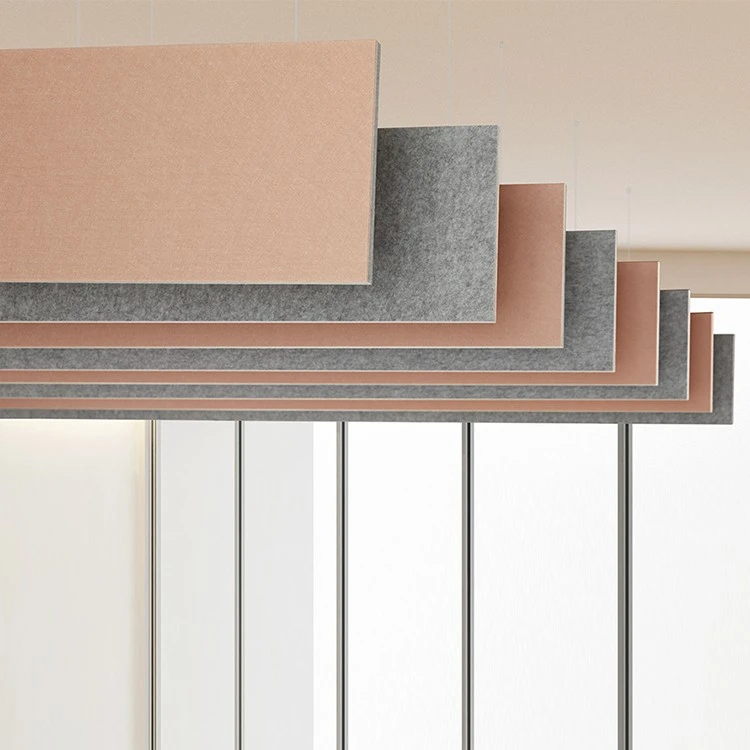
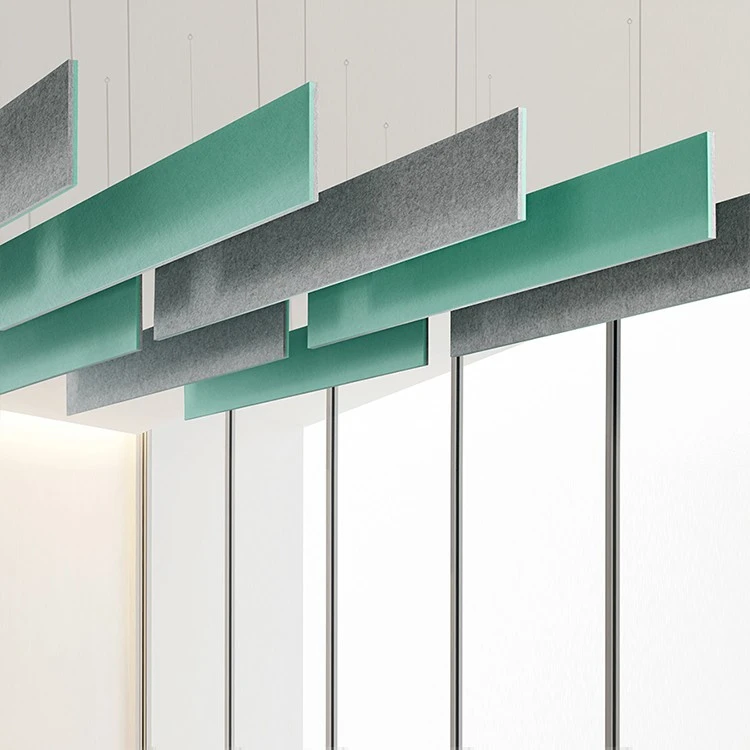
First off, it's important to understand what felt acoustic ceilings are. Felt is a versatile material that's been used for centuries in various applications. When it comes to acoustic ceilings, felt offers excellent sound - absorbing properties, making it a popular choice for spaces where noise reduction is a priority, like recording studios, offices, and auditoriums. You can check out our Felt Acoustic Ceiling Tiles and Felt Acoustic Ceiling on our website to get a better idea of the products we offer.
Now, let's talk about mold. Mold is a type of fungus that thrives in warm, damp, and dark environments. It can cause a whole host of problems, from unpleasant odors to health issues, especially for people with allergies or respiratory problems. So, the question of whether a felt acoustic ceiling will mold in a humid environment is a valid one.
The short answer is that it depends. Felt itself is a porous material, which means it can absorb moisture. If the humidity levels in the environment are extremely high and the moisture isn't allowed to dry out, there is a risk of mold growth. However, modern felt acoustic ceilings are often treated with anti - mold and anti - mildew agents during the manufacturing process. These treatments help to inhibit the growth of mold and make the ceilings more resistant to the effects of humidity.
In addition, proper installation and maintenance play a crucial role in preventing mold. When installing a felt acoustic ceiling, it's essential to ensure that there is proper ventilation in the space. Good ventilation helps to circulate air and reduce moisture levels. For example, if you're installing the ceiling in a bathroom or a basement, you might want to consider adding an exhaust fan to keep the air moving.
Regular cleaning is also important. Dust and dirt can accumulate on the surface of the felt, providing a food source for mold. By gently vacuuming or wiping down the ceiling with a soft, damp cloth, you can remove these contaminants and keep the ceiling in good condition.
Let's look at some real - world scenarios. In a moderately humid environment, say with a relative humidity of around 40 - 60%, a well - treated and properly maintained felt acoustic ceiling should be able to withstand the conditions without any major issues. The anti - mold treatments will do their job, and as long as the ventilation is adequate, the moisture will evaporate before it has a chance to cause problems.
However, in a very humid environment, such as a tropical climate or a space with poor ventilation like an unventilated laundry room, the risk of mold increases. In these cases, it's even more important to take extra precautions. You might want to consider using a dehumidifier to lower the humidity levels. A dehumidifier can help to remove excess moisture from the air, reducing the chances of mold growth on the felt ceiling.
Another factor to consider is the quality of the felt. Higher - quality felt is often more resistant to moisture absorption and mold growth. At our company, we source the best materials for our Felt Acoustic Ceiling products. We use advanced manufacturing techniques to ensure that the felt is treated effectively and has the right properties to withstand different environmental conditions.
It's also worth mentioning that our Hanging Sound Deadening Panels made of felt are designed with similar considerations in mind. They are engineered to provide excellent sound absorption while also being resistant to mold in appropriate environments.
So, if you're thinking about installing a felt acoustic ceiling in a humid environment, don't be too worried. With the right treatments, proper installation, and regular maintenance, you can enjoy the benefits of a felt ceiling without the fear of mold.
If you're interested in our Felt Acoustic Ceiling products and want to discuss your specific needs, especially if you're dealing with a humid environment, feel free to reach out. We're here to help you make the best choice for your space and ensure that you get a ceiling that not only looks great but also performs well in the long run.
References:
- General knowledge on felt materials and mold growth
- Industry standards for acoustic ceiling products and moisture resistance


