


In high-traffic areas such as airports, train stations, shopping malls, and busy restaurants, the demand for acoustic wall sheeting has grown significantly. These spaces are often filled with a continuous stream of people, machinery, and various activities that generate a large amount of noise. Acoustic wall sheeting offers an effective solution to reduce noise levels, create a more comfortable environment, and enhance the overall aesthetic appeal of the space. As a supplier of Acoustic Wall Sheeting, understanding the durability requirements for these products in high-traffic areas is crucial to meet the needs of our customers.
Resistance to Physical Damage
One of the primary durability requirements for acoustic wall sheeting in high-traffic areas is resistance to physical damage. In spaces where there are large numbers of people moving around, there is a high risk of accidental impacts, scratches, and abrasions. For example, in a busy airport terminal, luggage carts, trolleys, and people bumping into the walls can cause significant damage to the wall sheeting over time.
To ensure resistance to physical damage, our Acoustic Wall Sheeting is made from high-quality materials. We use dense and hard-wearing materials that can withstand impacts without cracking or chipping. For instance, our Acupanel Wood is crafted from premium-grade wood that has been treated to enhance its strength and durability. The wood is sourced from sustainable forests, and it undergoes a rigorous manufacturing process to ensure that it can withstand the rigors of high-traffic environments.
In addition to the choice of materials, the design of the acoustic wall sheeting also plays a role in its resistance to physical damage. We use a tongue-and-groove installation system for our wall sheeting, which provides a secure fit and helps to prevent the panels from shifting or becoming loose. This installation system also helps to distribute the impact force evenly across the panels, reducing the risk of damage.
Resistance to Wear and Tear
High-traffic areas are also subject to a lot of wear and tear. The constant movement of people, cleaning activities, and exposure to various environmental factors can cause the acoustic wall sheeting to deteriorate over time. To address this issue, our acoustic wall sheeting is designed to be highly resistant to wear and tear.
We apply a protective finish to our Acoustic Wall Sheeting to enhance its durability. The finish acts as a barrier against dirt, stains, and moisture, making it easier to clean and maintain the wall sheeting. For example, our Lounge Wall Acoustic Panels are coated with a durable paint that is resistant to fading, scratching, and staining. This ensures that the panels maintain their appearance and functionality even after years of use in high-traffic areas.
Furthermore, we conduct extensive testing on our products to ensure that they meet the highest standards of wear and tear resistance. Our acoustic wall sheeting is tested for abrasion resistance, colorfastness, and chemical resistance. This ensures that the products can withstand the harsh conditions of high-traffic areas without losing their acoustic properties or aesthetic appeal.
Resistance to Moisture and Humidity
Moisture and humidity can have a significant impact on the durability of acoustic wall sheeting. In high-traffic areas such as restrooms, kitchens, and swimming pools, the wall sheeting is exposed to high levels of moisture and humidity. If the wall sheeting is not resistant to moisture, it can warp, delaminate, or develop mold and mildew, which can not only affect the appearance of the wall but also pose a health risk.
To ensure resistance to moisture and humidity, our Acoustic Wall Sheeting is made from moisture-resistant materials. For example, our Acoustic Wall Planks are treated with a special water-repellent coating that prevents moisture from penetrating the panels. The coating also helps to reduce the risk of mold and mildew growth, ensuring a healthy and clean environment.
In addition to the material selection, the installation process also plays a crucial role in preventing moisture damage. We ensure that our acoustic wall sheeting is installed with proper ventilation and moisture barriers. This helps to reduce the accumulation of moisture behind the panels and prevents damage to the wall sheeting.
Resistance to Fire
Fire safety is a critical concern in high-traffic areas. In the event of a fire, the acoustic wall sheeting should not contribute to the spread of the fire or release toxic gases. Therefore, our acoustic wall sheeting is designed to be fire-resistant.
We use fire-resistant materials in the manufacturing of our Acoustic Wall Sheeting. The materials are tested and certified to meet the relevant fire safety standards. For example, our wall sheeting is often treated with fire-retardant chemicals that help to slow down the spread of fire and reduce the production of smoke.
In addition to the fire-resistant materials, our acoustic wall sheeting is also designed to be installed in a way that complies with fire safety regulations. We provide detailed installation instructions to ensure that the wall sheeting is installed correctly and that there are no gaps or spaces that could allow the fire to spread.
Long-Term Acoustic Performance
In addition to the physical durability requirements, the acoustic wall sheeting in high-traffic areas must also maintain its acoustic performance over time. The constant exposure to noise, vibrations, and environmental factors can affect the acoustic properties of the wall sheeting.
We conduct long-term testing on our Acoustic Wall Sheeting to ensure that it maintains its acoustic performance over time. Our products are designed to have a high Noise Reduction Coefficient (NRC), which means that they can effectively absorb and reduce noise levels in the space. The materials used in our wall sheeting are carefully selected to ensure that they have stable acoustic properties and do not degrade over time.
We also provide regular maintenance and inspection services to our customers to ensure that the acoustic wall sheeting continues to perform at its best. Our team of experts can assess the condition of the wall sheeting and recommend any necessary repairs or replacements to maintain its acoustic performance.
Conclusion
As a supplier of Acoustic Wall Sheeting, we understand the importance of meeting the durability requirements for our products in high-traffic areas. Our acoustic wall sheeting is designed to be resistant to physical damage, wear and tear, moisture, humidity, and fire. It also maintains its acoustic performance over time, providing a long-lasting and effective solution for noise reduction in high-traffic environments.

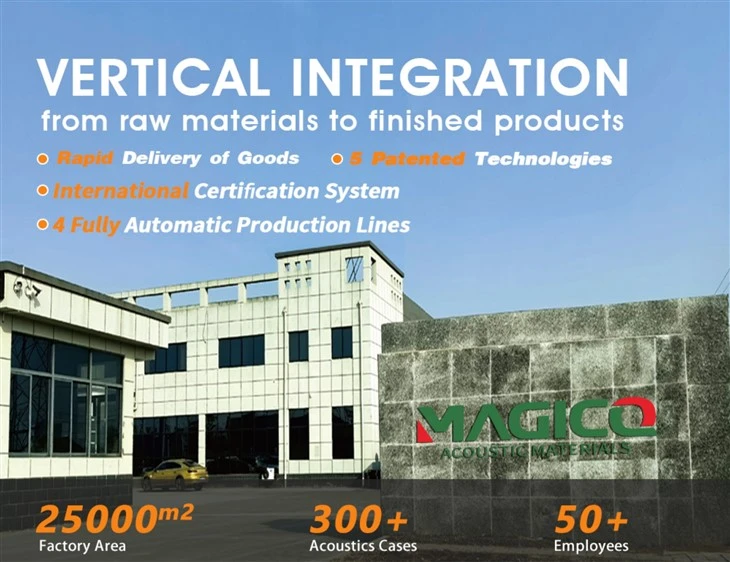
If you are in need of acoustic wall sheeting for your high-traffic area, we invite you to contact us for more information. Our team of experts can help you select the right product for your specific needs and provide you with a competitive quote. We look forward to working with you to create a comfortable and acoustically optimized space.
References
- Building Acoustics Handbook: Principles and Applications. (Author: [Author's Name], Publication Year: [Year])
- Durability Testing Standards for Acoustic Materials. (Standard Organization, Publication Year: [Year])
- Fire Safety Regulations for Interior Wall Finishes. (Regulatory Body, Publication Year: [Year])


