


When it comes to acoustic treatment in various spaces, two popular options that often come into consideration are acoustic felt baffles and acoustic foam. As a supplier of Acoustic Felt Baffles, I have witnessed firsthand the unique qualities and performance of these products, and I'm excited to share a detailed comparison between them.
Sound Absorption Performance
One of the primary functions of any acoustic material is to absorb sound waves and reduce reverberation within a space. Acoustic foam is well - known for its ability to absorb high - frequency sounds effectively. Its open - cell structure allows sound waves to penetrate and dissipate energy as they move through the foam. However, acoustic foam may struggle when it comes to absorbing low - frequency sounds. Low - frequency waves are longer and require more mass and density to be effectively absorbed.
On the other hand, acoustic felt baffles offer a more balanced approach to sound absorption. The dense and fibrous nature of the felt material enables it to absorb a wider range of frequencies, including low - frequency sounds. The fibers in the felt create a complex network that traps sound waves and converts their energy into heat. This makes acoustic felt baffles a great choice for spaces where a full - spectrum sound absorption is required, such as music studios, auditoriums, and large open - plan offices.
Aesthetic Appeal
Aesthetics play a crucial role in the selection of acoustic materials, especially in commercial and public spaces. Acoustic foam typically comes in a limited range of colors and shapes. It often has a rather industrial look, with its characteristic pyramid or wedge shapes. While this may be suitable for some recording studios or industrial settings, it may not be the most visually appealing option for other environments.
Acoustic felt baffles, in contrast, offer a more versatile and aesthetically pleasing solution. They can be customized in terms of color, size, and shape. Whether you are looking for a sleek and modern design or a more traditional look, acoustic felt baffles can be tailored to match the interior decor of any space. They can be hung in various configurations, such as Hanging Acoustic Clouds, creating an interesting and visually engaging element in the room.
Durability and Maintenance
Durability is an important factor to consider when investing in acoustic materials. Acoustic foam is relatively lightweight and can be easily damaged if not handled carefully. It may also deteriorate over time, especially in high - traffic areas or environments with high humidity. The open - cell structure of the foam can trap dust and dirt, which can affect its sound - absorbing performance and require regular cleaning.
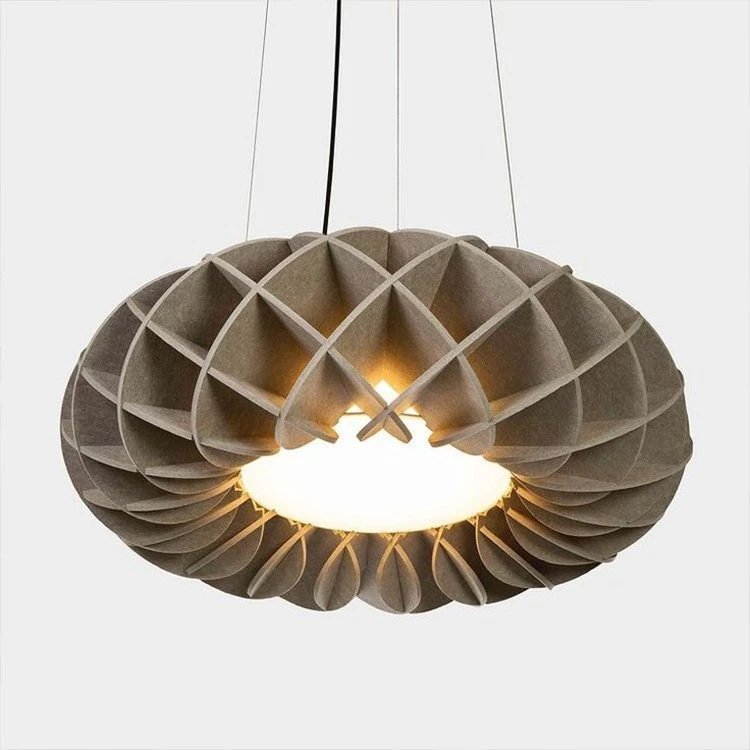
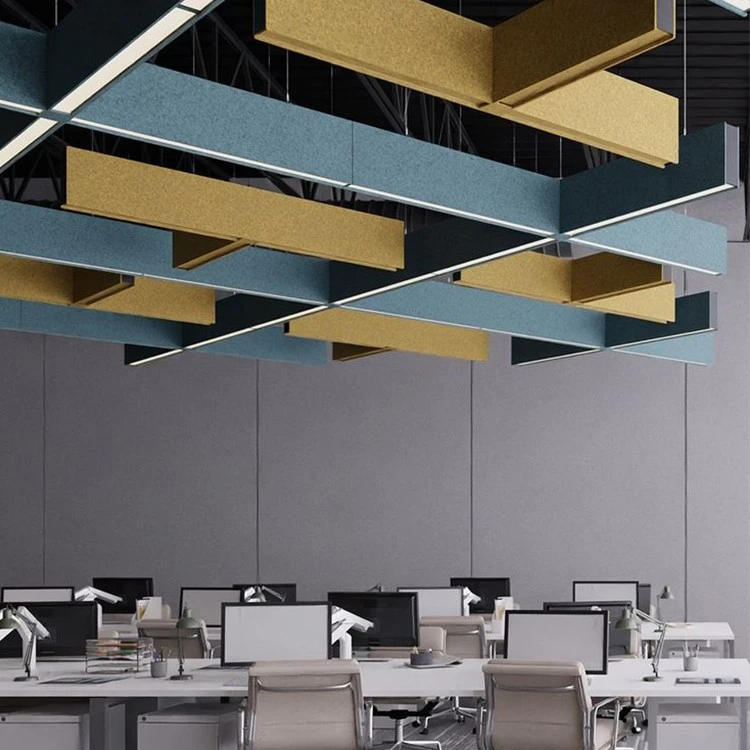
Acoustic felt baffles are more robust and durable. The felt material is resistant to wear and tear, making it suitable for long - term use in a variety of settings. It is also less likely to accumulate dust compared to acoustic foam, as the fibers in the felt are more tightly packed. This means that acoustic felt baffles require less maintenance and can maintain their sound - absorbing properties over a longer period.
Environmental Impact
In today's environmentally conscious world, the environmental impact of building materials is a significant consideration. Acoustic foam is often made from petroleum - based materials, which are non - renewable resources. The production of acoustic foam also involves energy - intensive processes and may release harmful chemicals during manufacturing.
Acoustic felt baffles, particularly those made from Acoustic Polyester, offer a more sustainable alternative. Polyester is a recyclable material, and many acoustic felt products are made from recycled polyester fibers. This reduces the demand for new raw materials and minimizes the environmental footprint of the product. Additionally, the production process of acoustic felt is generally more energy - efficient compared to acoustic foam.
Installation
The ease of installation is another aspect to compare between acoustic felt baffles and acoustic foam. Acoustic foam is usually installed using adhesives or mounting clips. While this can be a relatively straightforward process, it may require some precision to ensure that the foam is properly aligned and attached to the surface. In larger spaces, installing acoustic foam can be time - consuming, especially if multiple panels need to be installed.
Acoustic felt baffles are often designed for easy installation. They can be hung from the ceiling using wires, chains, or other hanging systems. This makes them a great option for spaces where a quick and hassle - free installation is required. The ability to hang the baffles also allows for greater flexibility in terms of placement, as they can be adjusted to optimize sound absorption in different areas of the room.
Cost
Cost is always a factor in any purchasing decision. Acoustic foam is generally more affordable upfront compared to acoustic felt baffles. However, when considering the long - term costs, the picture may be different. As mentioned earlier, acoustic foam may require more frequent replacement due to its lower durability, and it may also incur higher maintenance costs.
Acoustic felt baffles, while having a higher initial cost, offer better long - term value. Their durability, low maintenance requirements, and superior sound - absorbing performance mean that they can provide a cost - effective solution over the life of the product. Additionally, the aesthetic and environmental benefits of acoustic felt baffles can add value to the space, making them a worthwhile investment.
Conclusion
In conclusion, both acoustic felt baffles and acoustic foam have their own advantages and disadvantages. Acoustic foam is a good option for those on a tight budget and in need of high - frequency sound absorption, especially in industrial or less - visible settings. However, if you are looking for a more balanced sound absorption, better aesthetics, durability, environmental friendliness, and ease of installation, acoustic felt baffles are the clear winner.
As a supplier of acoustic felt baffles, I am confident in the quality and performance of our products. We offer a wide range of customizable options to meet the specific needs of our customers. Whether you are an architect, interior designer, or a business owner looking to improve the acoustics of your space, I encourage you to get in touch with us to discuss your requirements. Our team of experts is ready to assist you in selecting the right acoustic solution for your project.
If you are interested in learning more about our acoustic felt baffles or would like to request a quote, please feel free to reach out. We look forward to the opportunity to work with you and help you create a more acoustically comfortable and aesthetically pleasing environment.
References
- Beranek, Leo L. "Acoustics." American Institute of Physics, 1986.
- Fahy, Frank J. "Foundations of Engineering Acoustics." Academic Press, 2001.
- Morse, Philip M., and K. Uno Ingard. "Theoretical Acoustics." McGraw - Hill, 1968.


