


Do ceiling clouds have an impact on radio waves? That's a question I've been asked quite a bit lately, especially since I'm in the business of supplying ceiling clouds. You know, those cool-looking hanging things you see in big rooms like auditoriums, warehouses, and offices. They're not just for show, though. They've got some pretty important functions, like soundproofing and acoustic control. But let's get back to the radio waves thing.
First off, let's talk about what ceiling clouds are. They come in different types, like Hanging Soundproofing Clouds, Suspended Acoustic Clouds, and Hanging Sound Deadening Panels. These are basically panels that are hung from the ceiling to help manage sound in a space. They're made from different materials, such as fiberglass, foam, or fabric, which are great at absorbing sound waves.
Now, radio waves are a type of electromagnetic radiation. They're used for all sorts of things, like radio and TV broadcasting, cell phones, Wi-Fi, and GPS. They travel through the air in a straight line, and they can be affected by different things in their path.
So, do ceiling clouds affect radio waves? Well, it depends on a few factors. The first factor is the material the ceiling clouds are made of. If the ceiling clouds are made of a conductive material, like metal, they can definitely have an impact on radio waves. Metal is a good conductor of electricity, and it can reflect, absorb, or block radio waves. For example, if you've ever been in a metal building or a car, you might have noticed that your cell phone signal is weaker. That's because the metal is blocking the radio waves from reaching your phone.
But most of the ceiling clouds I supply are made of non - conductive materials like fiberglass or foam. These materials are not good conductors of electricity, and they have very little effect on radio waves. They're designed to absorb sound waves, not electromagnetic waves. So, in most cases, if your ceiling clouds are made of these non - conductive materials, they're not going to have a significant impact on radio waves.
Another factor is the thickness and density of the ceiling clouds. Thicker and denser ceiling clouds might have a slightly greater effect on radio waves, but again, if they're made of non - conductive materials, the effect is going to be very minimal. The radio waves are mostly going to pass through them without being affected.
The size and arrangement of the ceiling clouds also matter. If the ceiling clouds cover a large area of the ceiling and are arranged in a way that creates a continuous barrier, they might have a small impact on radio waves. But usually, ceiling clouds are hung in a way that leaves plenty of space for radio waves to pass through. They're not like a solid wall that completely blocks the way.
Let's take a real - world example. I had a client who was setting up a new office space. They were worried that the ceiling clouds we were installing would interfere with their Wi - Fi signal. We did some tests before and after the installation. The ceiling clouds were made of fiberglass, and we found that there was almost no change in the Wi - Fi signal strength. The employees in the office didn't notice any difference in their ability to connect to the network. So, in this case, the ceiling clouds didn't have a negative impact on the radio waves used for Wi - Fi.
However, it's always a good idea to do some tests if you're really concerned about radio wave interference. You can use a signal strength meter to measure the strength of the radio waves before and after installing the ceiling clouds. This way, you can be sure that everything is working as it should.
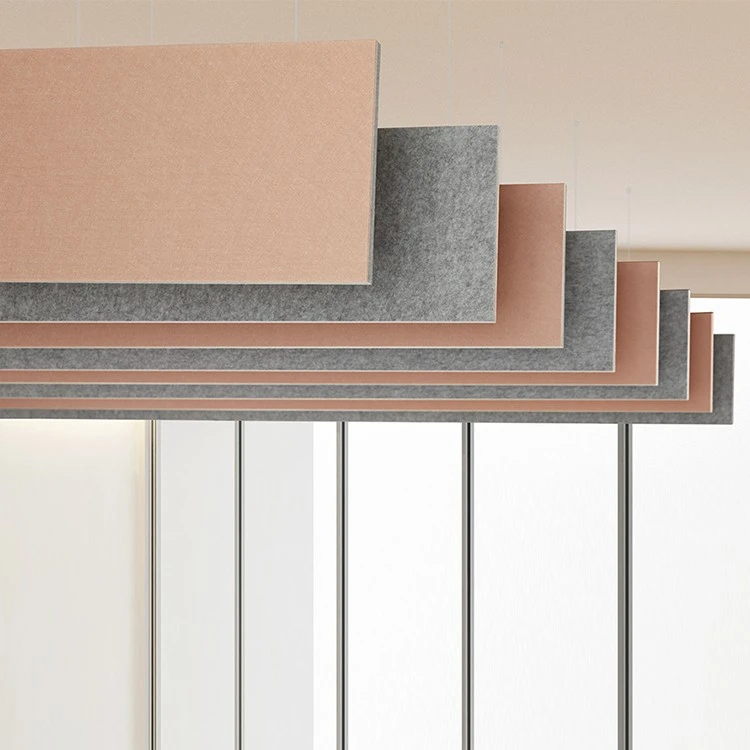

In addition to not having a significant impact on radio waves, ceiling clouds have a lot of benefits. They can really improve the acoustics of a space. In a noisy office, for example, they can reduce the background noise, making it easier for people to focus and communicate. In a concert hall, they can enhance the sound quality, making the music sound better.
They're also very aesthetically pleasing. You can choose from different shapes, sizes, and colors to match the decor of your space. They can make a boring ceiling look really cool and modern.
If you're in the process of setting up a new space or looking to improve the acoustics of an existing one, don't let the fear of radio wave interference stop you from considering ceiling clouds. In most cases, they're not going to cause any problems with your radio - based devices. And if you have any concerns, just give me a call or send me an email, and we can work together to find the best solution for your needs. Whether you need Hanging Soundproofing Clouds, Suspended Acoustic Clouds, or Hanging Sound Deadening Panels, I've got you covered.
I'm always happy to talk to potential customers about their specific requirements. If you're interested in learning more about our ceiling clouds or want to discuss how they can work in your space, feel free to reach out. We can have a chat about your project, and I can provide you with a quote based on your needs.
In conclusion, for the most part, ceiling clouds made of non - conductive materials are not going to have a significant impact on radio waves. They're a great addition to any space for sound management and aesthetics. So, if you're thinking about using ceiling clouds in your next project, don't hesitate to get in touch. I'm here to help you make the right choice for your space.
References
- "Electromagnetic Waves and Their Properties", Physics Textbook
- "Acoustic Materials and Their Applications", Journal of Building Acoustics
- "Testing the Impact of Non - Conductive Panels on Radio Waves", Research Paper from a University Lab


