


Acoustic felt baffles have become a popular choice for sound control in various spaces, from offices and auditoriums to restaurants and studios. As a supplier of Acoustic Felt Baffles, I often receive questions from customers about the ventilation requirements for these products. In this blog post, I'll explore whether acoustic felt baffles require any special ventilation and provide some insights based on industry knowledge and experience.
Understanding Acoustic Felt Baffles
Before diving into the ventilation topic, let's briefly understand what acoustic felt baffles are. Acoustic felt baffles are made from high - density felt materials that are designed to absorb sound waves. They are typically suspended from the ceiling in a room to reduce reverberation and improve the overall acoustic quality. The felt material is porous, which allows sound waves to enter and be dissipated within the fibers, rather than reflecting off hard surfaces and causing echoes.
The Role of Ventilation in General
Ventilation plays a crucial role in maintaining a healthy and comfortable indoor environment. It helps to remove pollutants, control humidity, and regulate temperature. In spaces where acoustic treatments are installed, proper ventilation can also prevent the buildup of moisture, which can potentially damage the acoustic materials over time.
Do Acoustic Felt Baffles Require Special Ventilation?
In most cases, acoustic felt baffles do not require special ventilation. Here are some reasons:
1. Material Properties
Acoustic felt is a breathable material. It allows air to pass through its porous structure without significant resistance. This means that normal room ventilation is usually sufficient to keep the felt dry and prevent the accumulation of moisture. Unlike some sealed or non - porous acoustic materials, felt does not trap air or moisture within itself, reducing the risk of mold growth or degradation.

2. Design and Installation
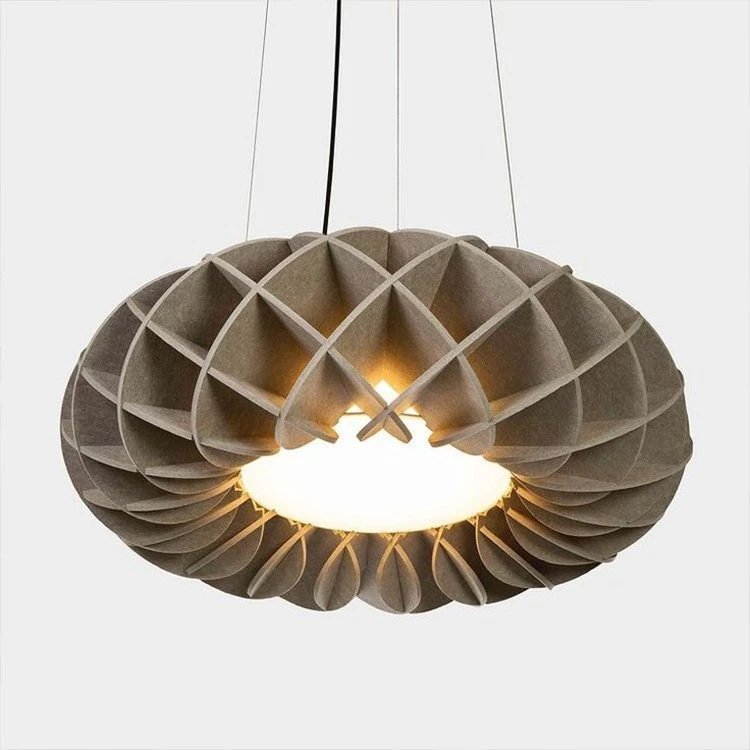
Acoustic felt baffles are often installed in a way that allows for natural air circulation. They are typically hung from the ceiling with some space between each baffle and the ceiling, as well as between adjacent baffles. This open design promotes air movement around the baffles, facilitating the exchange of air and preventing the formation of stagnant air pockets.
3. Low Moisture Absorption
Acoustic felt has relatively low moisture absorption properties. While it can absorb a small amount of moisture from the air, it also releases it quickly when the humidity levels drop. This self - regulating behavior means that the felt is less likely to retain moisture for extended periods, which reduces the need for special ventilation to dry it out.
Situations Where Special Ventilation Might Be Necessary
Although acoustic felt baffles generally do not require special ventilation, there are some situations where additional ventilation measures may be beneficial:
1. High - Humidity Environments
In areas with consistently high humidity, such as swimming pools or industrial kitchens, the risk of moisture buildup on the acoustic felt baffles is higher. In these cases, special ventilation systems, such as dehumidifiers or exhaust fans, may be necessary to maintain a low - humidity environment. This helps to prevent the growth of mold and mildew on the felt, which can not only damage the baffles but also pose a health risk to the occupants of the space.
2. Enclosed Spaces
If the acoustic felt baffles are installed in a small, enclosed space with limited natural ventilation, such as a recording booth or a small storage room, additional ventilation may be required. In these situations, a mechanical ventilation system can help to ensure proper air circulation and prevent the buildup of stale air and moisture.
3. High - Traffic Areas
In spaces with high foot traffic, such as large conference rooms or shopping malls, the air can become contaminated with dust, pollutants, and body odors. While acoustic felt baffles can help to absorb some of these particles, proper ventilation is still necessary to remove them from the air. A well - designed ventilation system can improve the indoor air quality and enhance the overall comfort of the space.
Benefits of Proper Ventilation for Acoustic Felt Baffles
Even when special ventilation is not strictly necessary, proper ventilation can still provide several benefits for acoustic felt baffles:
1. Extended Lifespan
By preventing moisture buildup and mold growth, proper ventilation can help to extend the lifespan of the acoustic felt baffles. This means that customers can enjoy the benefits of their acoustic treatments for a longer period, reducing the need for frequent replacements.
2. Consistent Acoustic Performance
Moisture can affect the acoustic properties of the felt. When the felt is wet, it may lose some of its sound - absorbing capabilities. Proper ventilation helps to keep the felt dry, ensuring that it maintains its optimal acoustic performance over time.
3. Improved Indoor Air Quality
Good ventilation not only benefits the acoustic felt baffles but also the occupants of the space. By removing pollutants and odors from the air, it creates a healthier and more comfortable environment for everyone.
Choosing the Right Ventilation System
If you determine that special ventilation is necessary for your acoustic felt baffles, it's important to choose the right ventilation system for your specific needs. Here are some factors to consider:
1. Space Requirements
The size and layout of the space will determine the type and capacity of the ventilation system. Larger spaces may require more powerful ventilation units, while smaller spaces may be adequately served by a simple exhaust fan.
2. Humidity Levels
As mentioned earlier, high - humidity environments will require a ventilation system with dehumidification capabilities. Make sure to choose a system that can effectively control the humidity levels in your space.
3. Noise Levels
Since acoustic performance is important in spaces where acoustic felt baffles are installed, it's crucial to choose a ventilation system that operates quietly. Look for units with low - noise ratings to avoid adding unwanted noise to the environment.
Conclusion
In conclusion, acoustic felt baffles generally do not require special ventilation in most common applications. Their breathable material, open design, and low moisture absorption properties make them compatible with normal room ventilation. However, in certain situations such as high - humidity environments, enclosed spaces, or high - traffic areas, additional ventilation measures may be necessary to ensure the longevity and performance of the baffles.
As a supplier of Acoustic Felt Baffles, we are committed to providing our customers with high - quality products and expert advice on acoustic solutions. If you have any questions about the ventilation requirements for your acoustic felt baffles or need help choosing the right products for your space, please feel free to contact us. We are here to assist you in creating the perfect acoustic environment for your needs. Whether you are looking for Acoustic Polyester or Hanging Acoustic Clouds, we have a wide range of options to meet your requirements.
References
- Acoustical Society of America. (20XX). Guidelines for Acoustic Treatment in Indoor Spaces.
- Building Science Corporation. (20XX). Ventilation and Moisture Control in Buildings.
- International WELL Building Institute. (20XX). Indoor Air Quality Standards for Healthy Buildings.


