


Can Aku Panel Wood be recycled?
As a supplier of Aku Panel Wood, I've often been asked about the recyclability of our products. Recyclability is not only a concern for environmentalists but also for businesses and consumers who are increasingly conscious of their ecological footprint. In this blog, I'll delve into the topic to provide a comprehensive answer based on scientific facts and industry knowledge.
Understanding Aku Panel Wood
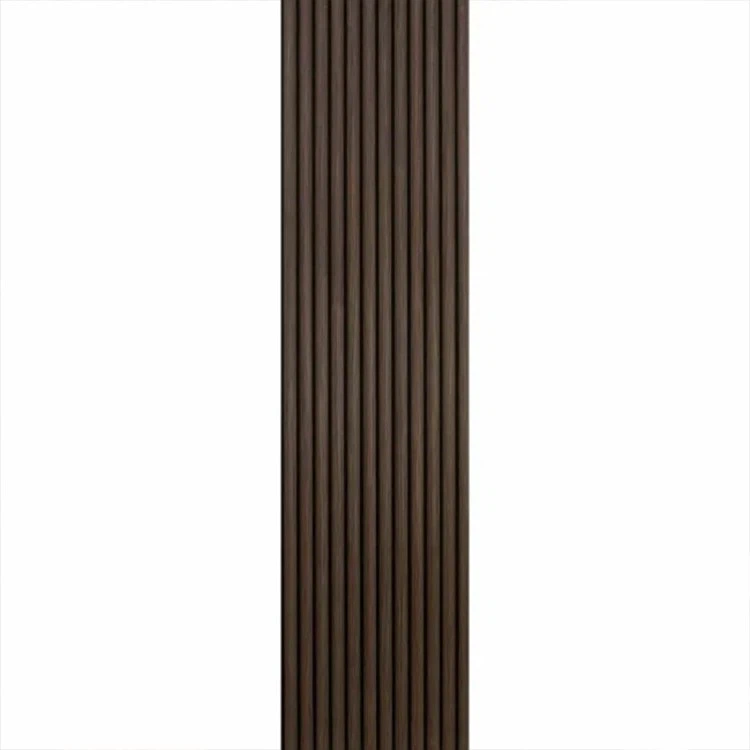
Aku Panel Wood comes in various forms, each designed to meet different acoustic and aesthetic needs. For instance, we offer Wooden Acoustic Panels for Walls, which are ideal for enhancing the acoustic quality of interior spaces while adding a touch of natural beauty. These panels are crafted from high - quality wood, carefully selected for its durability and acoustic properties.
We also have Flexible Wood Acoustic Panels, which offer greater versatility in installation. Their flexibility allows them to be curved and shaped to fit unique architectural designs. Another product in our range is the PVC Flexible Fluted Wood Panels, which combine the benefits of wood with the flexibility and durability of PVC.
Factors Affecting the Recyclability of Aku Panel Wood
The recyclability of Aku Panel Wood depends on several factors. First and foremost is the material composition. Most of our wooden panels are made from natural wood, which is inherently recyclable. Wood can be broken down and reused to make new products such as furniture, paper, or even bio - fuel. However, the presence of other materials in the panels can complicate the recycling process.
For example, if the panels are treated with chemicals for fire resistance, water repellency, or pest control, these chemicals can contaminate the recycling stream. Some chemicals may be hazardous and need to be removed before the wood can be recycled. Additionally, panels that are laminated or have a PVC coating, like our PVC Flexible Fluted Wood Panels, require special recycling processes because the different materials need to be separated.
The condition of the panels also plays a role in their recyclability. If the panels are severely damaged, warped, or dirty, they may not be suitable for recycling. Recycling facilities typically prefer clean and intact materials to ensure a high - quality recycled product.
Recycling Processes for Aku Panel Wood
When it comes to recycling Aku Panel Wood, there are several methods available.

Mechanical Recycling: This is the most common method for recycling wood. In mechanical recycling, the wood is first shredded into small pieces. These pieces are then processed to remove any contaminants such as nails, screws, or plastic parts. The shredded wood can then be used to make new wood products, such as particleboard or fiberboard. However, for panels with non - wood components like PVC, the mechanical recycling process needs to be adapted to separate the different materials.
Chemical Recycling: Chemical recycling involves breaking down the wood at a molecular level using chemicals. This method can be used to recover cellulose, lignin, and other valuable components from the wood. Chemical recycling is more complex and expensive than mechanical recycling but can produce higher - quality recycled materials.
Energy Recovery: If the panels cannot be recycled into new wood products, they can be used for energy recovery. Wood is a renewable energy source, and burning the panels in a controlled environment, such as a biomass power plant, can generate heat and electricity. This process reduces the need for fossil fuels and helps to reduce greenhouse gas emissions.
Benefits of Recycling Aku Panel Wood
Recycling Aku Panel Wood offers several benefits. From an environmental perspective, it conserves natural resources. By reusing wood, we reduce the demand for logging, which helps to protect forests and the habitats of countless plant and animal species. Recycling also reduces the amount of waste sent to landfills, where wood can take a long time to decompose and may release methane, a potent greenhouse gas.
Economically, recycling can be cost - effective. The recycled wood can be used to manufacture new products at a lower cost than using virgin materials. This can lead to savings for both manufacturers and consumers. Moreover, as more businesses and consumers prioritize sustainability, the market for recycled wood products is growing, presenting opportunities for new business development.
Challenges in Recycling Aku Panel Wood
Despite the potential benefits, there are several challenges in recycling Aku Panel Wood. One of the main challenges is the lack of awareness and infrastructure. Many recycling facilities are not equipped to handle composite wood products or may not have the necessary technology to separate different materials. This makes it difficult for consumers and businesses to find appropriate recycling options.
Another challenge is the cost of recycling. Specialized recycling processes, especially those for composite materials, can be expensive. The cost of transporting the panels to recycling facilities can also add up, especially if the facilities are located far away.
Our Efforts as a Supplier
As a supplier of Aku Panel Wood, we are committed to promoting sustainable practices. We are constantly exploring ways to make our products more recyclable. This includes using eco - friendly treatments and coatings that do not interfere with the recycling process. We also provide information to our customers about the recyclability of our products and offer guidance on proper disposal and recycling methods.
We are working with recycling facilities to develop more efficient recycling processes for our composite wood products. By collaborating with industry partners, we hope to overcome the challenges associated with recycling and make it easier for our customers to choose sustainable options.
Conclusion and Call to Action
In conclusion, Aku Panel Wood can be recycled, but the process depends on various factors such as material composition, condition, and available recycling infrastructure. While there are challenges, the benefits of recycling are significant, both for the environment and the economy.
If you are interested in purchasing Aku Panel Wood for your next project, we invite you to contact us for more information. Our team of experts can assist you in choosing the right product for your needs and provide guidance on sustainable use and disposal. Let's work together to build a more sustainable future by making responsible choices when it comes to building materials.
References
- Smith, J. (2020). Recycling of Wood - Based Composite Materials. Journal of Sustainable Materials and Technologies, 25, 1 - 15.
- Green, A. (2019). The Environmental Impact of Wood Recycling. Environmental Science Review, 32, 45 - 60.
- Brown, C. (2021). Challenges and Opportunities in Recycling Composite Wood Products. International Journal of Recycling of Materials, 12, 78 - 92.


