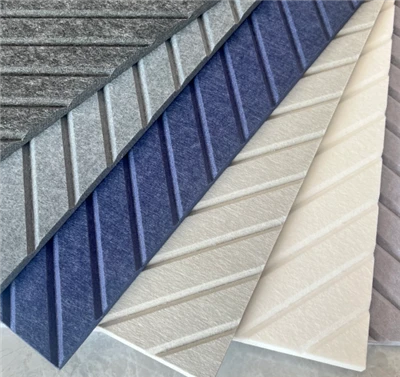
What Should You Know About Polyester Sound-Absorbing Panels?
Polyester sound-absorbing panels have become one of the most popular acoustic materials for residential and commercial renovation, yet many property owners and designers lack comprehensive knowledge of their core functions and usage rules. This article sorts out essential industry facts to clear up widespread misunderstandings around this widely used sound treatment material.

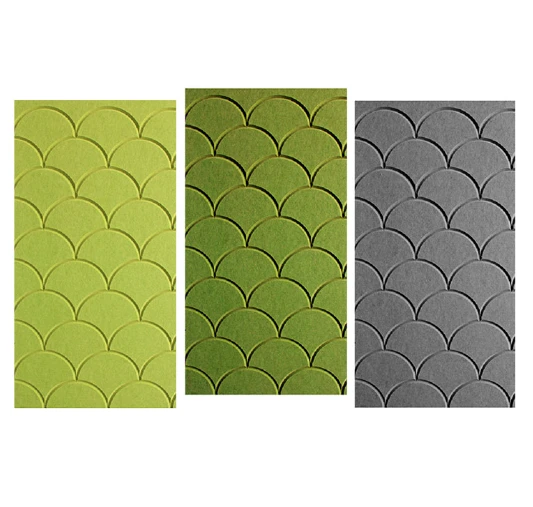
First, many people confuse sound absorption with sound insulation. Polyester panels mainly absorb reverberation, echoes and medium-to-high frequency indoor noise instead of fully blocking outside sound transmission. Their noise reduction capacity is closely tied to thickness and density: thicker panels with higher density capture more sound waves, which is why 9mm and 12mm specifications are mainstream options for different noise levels.
Made of eco-friendly PET polyester fiber, these panels stand out from other sound-absorbing materials. They are non-toxic, non-allergenic and free of harmful volatile substances, making them safe for bedrooms, children's rooms and home cinemas. Unlike rigid wood slat panels, they support flexible customization, including varied sizes, stock colors and 3D carved textures to match diverse interior styles.
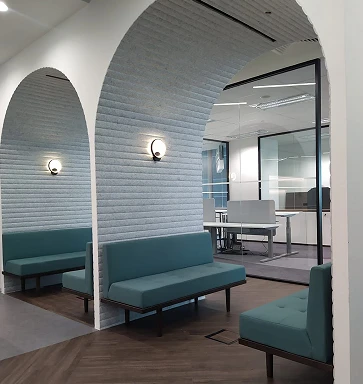
A key practical detail is installation. Panels can be mounted on walls and ceilings with simple adhesive, but they are not suitable for long-term humid spaces such as bathrooms without waterproof treatment. When selecting panels, buyers need to match thickness according to space purposes: thin versions fit offices with mild echoes, while thick dense panels are recommended for noisy home theaters and living rooms.
Whether you are renovating a house or designing commercial acoustic spaces, grasping these core points helps you select proper polyester sound-absorbing panels and avoid ineffective noise-reduction solutions.
FAQ
Q: Can I get free samples and how long does it take to produce samples?
A: If the samples you need are in our stock,they wil be provided to you free of charge. Customized samples usually take about a week to produce.
Q: What's your MOQ?
A: Flexible MOQ. Small trial orders are okay for stock goods; customized products have MOQ based on your requirements.
Q:Where do you export to?
A: We export worldwide to Southeast Asia, Europe, North America, Australia, the Middle East and more, familiar with local standards and customs clearance.