


Hey there! As a supplier of ceiling clouds, I've always been curious about where these nifty things are more in demand. That got me thinking: Are ceiling clouds more common in inland or coastal areas? Let's dive into this topic and see what we can find out.
First off, let's talk about what ceiling clouds are. For those who aren't in the know, ceiling clouds are basically suspended panels that are used to improve acoustics in a space. They come in different shapes, sizes, and materials. You've got Hanging Sound Deadening Panels, Felt Acoustic Ceiling, and Suspended Acoustic Clouds. These bad boys can absorb sound, reduce echoes, and make a room a whole lot more comfortable to be in.
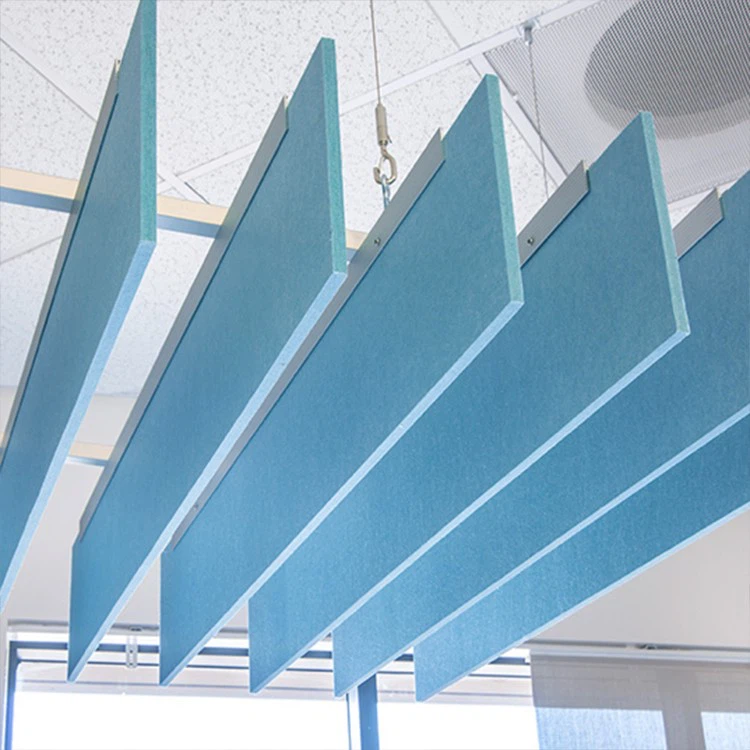
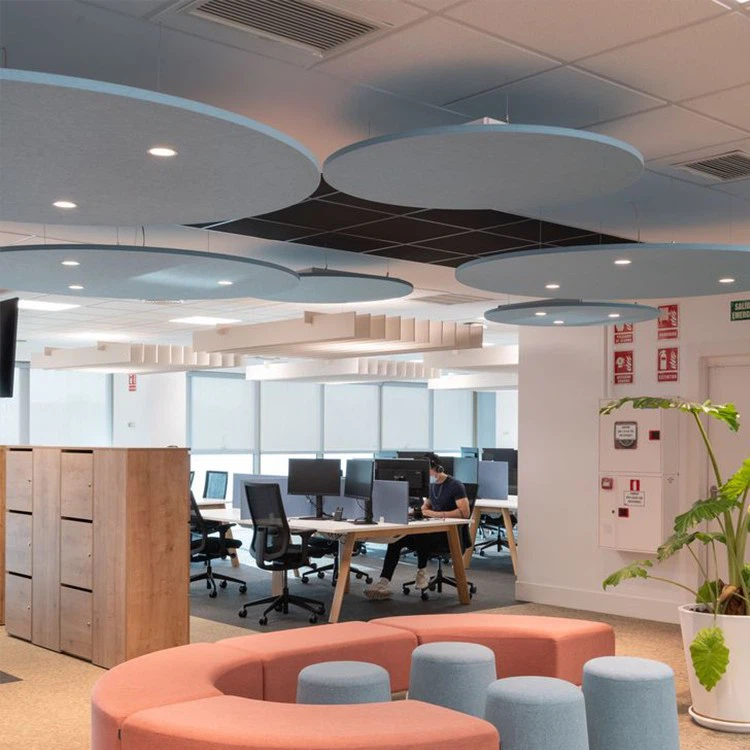
Now, let's consider the inland areas. Inland cities and towns often have a different set of environmental factors compared to coastal regions. One major thing is the climate. Inland areas typically have more extreme temperature variations. Winters can be really cold, and summers can get scorching hot. This kind of climate can affect the materials used in ceiling clouds. For example, some materials might expand or contract with the temperature changes, which could potentially impact their performance over time.
But on the flip side, inland areas are usually full of commercial buildings like offices, conference centers, and restaurants. These places need good acoustics to function properly. In an office, for instance, you don't want the sound of people typing and talking to bounce around the room and create a noisy environment. That's where ceiling clouds come in handy. They can help create a more productive and peaceful workspace.
In addition, inland areas often have large industrial facilities. Factories and warehouses can be incredibly noisy places. Ceiling clouds can be installed to reduce the noise levels, making it a safer and more comfortable place for workers. So, in terms of demand from commercial and industrial sectors, inland areas definitely have a strong case for using ceiling clouds.
On the other hand, coastal areas have their own unique characteristics. The most obvious one is the proximity to the ocean. The air in coastal areas is often more humid, which can also have an impact on the materials used in ceiling clouds. Moisture can cause some materials to warp or develop mold if they're not properly protected.
However, coastal areas are also known for their tourism and hospitality industries. Hotels, resorts, and beachfront restaurants are all over the place. These establishments need to provide a pleasant experience for their guests, and good acoustics play a big part in that. Imagine sitting in a beachfront restaurant, enjoying the sound of the waves, but also having to deal with a bunch of echoes from the sound system or other diners. It wouldn't be a very enjoyable experience, right? Ceiling clouds can help create a more relaxing and inviting atmosphere in these places.
Another factor in coastal areas is the presence of cultural and entertainment venues. Concert halls, theaters, and museums are often located near the coast. These places require top - notch acoustics to showcase their performances and exhibits properly. Ceiling clouds can be customized to fit the specific acoustic needs of these venues, ensuring that the sound quality is just right.
So, which area has more ceiling clouds? It's not really that straightforward. Inland areas have a high demand from commercial and industrial sectors due to their business - heavy nature. The need for noise reduction in offices and factories is a constant. But coastal areas also have a significant demand, mainly from the tourism, hospitality, and cultural sectors.
When it comes to the overall market, though, I think the commercial buildings in inland areas might tip the scale a bit. There are just so many offices, warehouses, and other commercial spaces that need ceiling clouds. However, the coastal market shouldn't be underestimated. The growth of the tourism and entertainment industries in coastal regions means that the demand for ceiling clouds in these areas is also on the rise.
As a supplier of ceiling clouds, I've seen projects in both inland and coastal areas. Each has its own challenges. In inland areas, we need to make sure the materials can withstand the temperature variations. In coastal areas, we have to pay extra attention to moisture resistance. But regardless of the location, the goal is always the same: to provide high - quality ceiling clouds that meet the acoustic needs of our clients.
If you're in either an inland or coastal area and you're thinking about installing ceiling clouds in your space, whether it's an office, a restaurant, or a concert hall, we've got you covered. Our range of Hanging Sound Deadening Panels, Felt Acoustic Ceiling, and Suspended Acoustic Clouds can be customized to fit your specific requirements. We can work with you to choose the right materials and design to ensure the best acoustic performance for your space.
If you're interested in learning more about our ceiling clouds or getting a quote, don't hesitate to reach out. We're always happy to have a chat and help you find the perfect solution for your acoustic needs.
References
- Acoustics: Fundamentals and Applications, by Craig A. Newman
- Handbook of Noise and Vibration Control, by Malcolm J. Crocker


